
- The FDA reports that no product samples have been confirmed as positive for cyclospora amid fears over consumption of lettuce, herbs, and other produce.
- As health officials investigate possible sources of the multi-state outbreak that has sickened thousands, consumers should stay informed about product recalls and continue washing produce thoroughly.
- Experts say there’s no need to avoid fruits and vegetables, and you can eat them safely by following proper food hygiene practices.
- Not eating enough fruits and veggies can lead to health issues, such as vitamin deficiencies and an unbalanced gut microbiome.
Rising cases of cyclosporiasis across multiple states are top of mind for millions of Americans as U.S. health officials investigate possible sources of the outbreak.
Since the first case of cyclospora was reported in May, the Centers for Disease Control and Prevention (CDC) has received
On July 17, the Food and Drug Administration (FDA) said it had found cyclospora in iceberg lettuce sold by Taylor Farms de Mexico to Taco Bell restaurants and Walmart stores, prompting a
The FDA currently states that no product samples have been confirmed as testing positive for cyclospora, as the CDC expands its investigations into the outbreak to 9 states — Illinois, Kansas, Oklahoma, Pennsylvania, Indiana, Kentucky, Ohio, West Virginia, and Michigan.
With so much uncertainty surrounding the outbreak’s origins, it’s unsurprising that many people are concerned about whether it’s safe to eat fruits and vegetables.
Healthline talked to three experts to find out why it’s still important to eat your daily fruits and veggies, and their top tips for keeping you and your family safe.
Fruits and vegetables can harbor the cyclospora parasite if they’re grown using water contaminated with human feces.
While cyclospora are more commonly found in tropical and subtropical regions of the world, seasonal outbreaks during the warmer months — May through August — can occur in the United States.
“Previously, foods like iceberg/leafy lettuce, fresh cilantro, fresh basil leaves, raspberries, snow peas/snap peas, and green onions have been identified in cyclospora outbreaks and could be treated cautiously, out of an abundance of caution, until we know more details,” said Meridan Zerner, a registered dietitian nutritionist and founder of Meridan Zerner Nutrition in Dallas, TX.
There’s currently no recommendation to avoid fruits and vegetables altogether, said David Michalik, DO, pediatric infectious disease specialist at Miller Children’s and Women’s Hospital in Long Beach, CA.
“Produce remains a key part of a healthy diet, and its benefits far outweigh the current risk of infection,” he told Healthline.
“That said, public health officials are urging caution with certain items linked to this outbreak, particularly bagged or shredded iceberg lettuce, and potentially whole heads as well.”
Monique Richard, a registered dietitian nutritionist, noted that fear over outbreaks can often sow confusion and misunderstandings.
“People hear ‘outbreak’ related to produce and then overgeneralize current risk to drastically reduce or discontinue eating fruits and vegetables altogether,” she told Healthline.
“Don’t let one contaminated product keep you from eating an entire food group. The key is to stay informed about recalls, avoid products specifically identified by public health officials, and continue enjoying a colorful variety of produce prepared and consumed in a variety of ways,” Richard said.
Eating enough fruits and vegetables each day is essential for good health.
“First, inadequate intake of fruits and vegetables reduces critical vitamin intake,” Zerner said.
“Our helpful gut bacteria depend on the diverse fibers found in fruits and vegetables. Eliminating all produce out of fear is not in our best interest, especially when there are excellent, nutritious alternatives we can switch to and recommended cooking practices we can rely on to kill cyclospora,” she continued.
“There’s no need to panic or avoid [fruits and vegetables] altogether,” Michalik said.
“While this outbreak is getting attention, the overall risk to the general population remains low. The best approach is to stay informed, follow safe food-handling practices, and be mindful of where your food comes from — so you can continue to eat a healthy, balanced diet with confidence,” he said.
Safe food-handling practices can help lower the risk of a cyclospora infection.
Experts recommend the following tips:
- Wash your hands thoroughly before handling food.
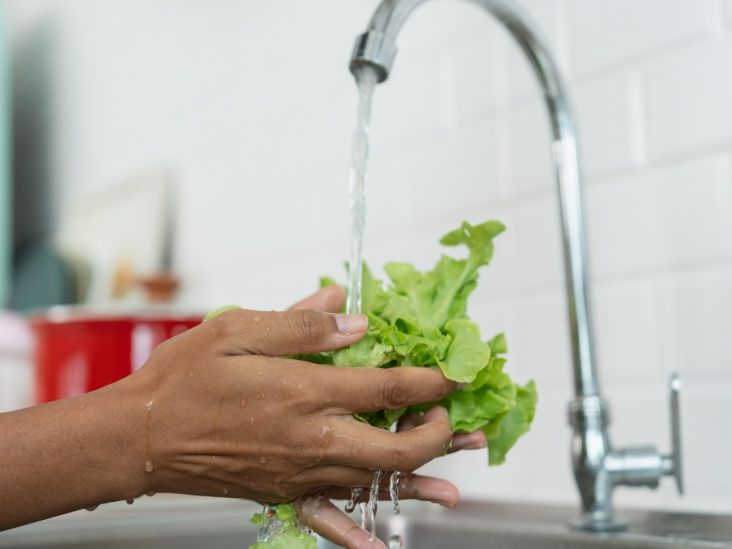
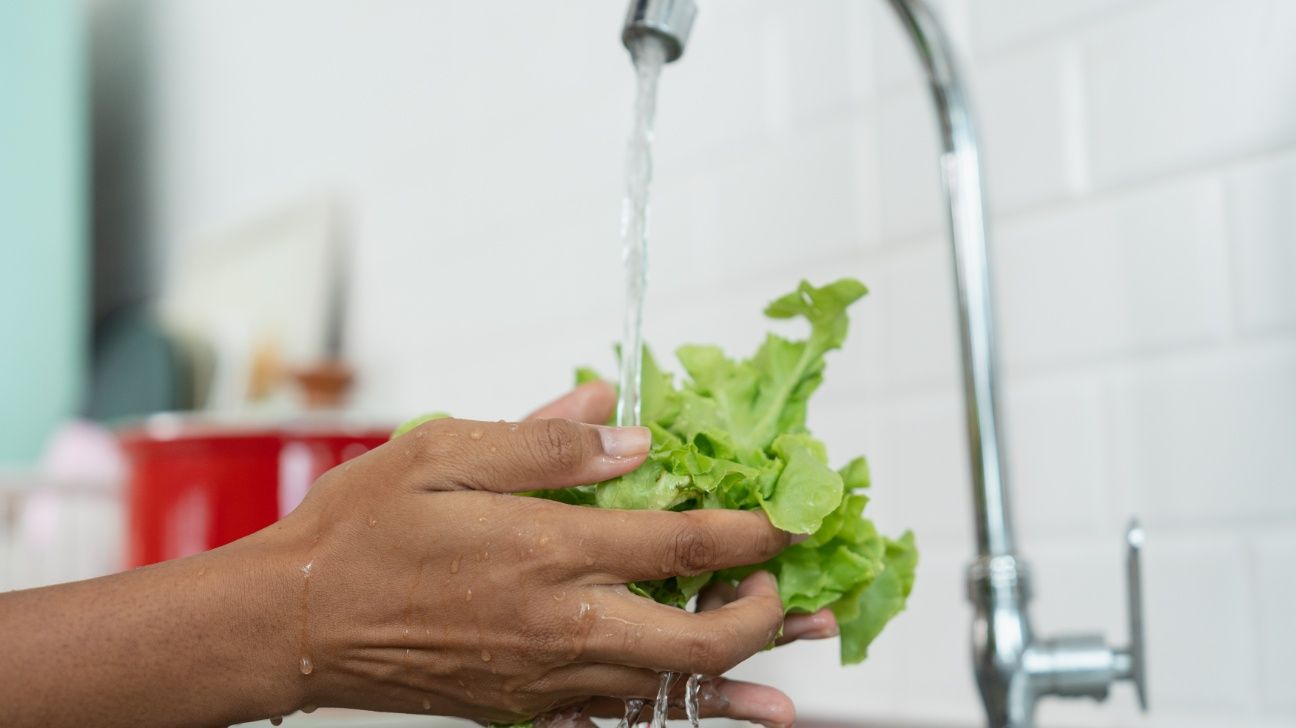
- Rinse produce well under clear running water.
- Scrub produce with a firm brush, removing any damaged areas (e.g., for leafy greens, remove outer leaves and any other damaged areas).
- Avoid using commercial produce washes, bleach, vinegar, and soap, as they do not provide additional protection and may leave behind unwanted residue.
- Wash cutting boards and knives to minimize cross-contamination.
- Consider temporarily switching to frozen and canned fruits and vegetables.
- Cooking kills this particular parasite — cooking greens or vegetables to 158 degrees F helps reduce the risk.
- Purchase produce from reputable stores with strong food safety practices.
- Stay informed of the outbreak through reliable sources and follow recalls.
“It’s important to note that rinsing alone may not fully remove cyclospora, and vinegar or chemical washes are not very effective against it,” Michalik said. “When possible, cooking produce — by steaming, boiling, or baking — is the most reliable way to kill the parasite.”
“Cooking does reduce the risk from many foodborne pathogens, including cyclospora, but it isn’t necessary for every meal, again unless you are at high risk or have other factors that may increase risk,” Richard said.
“Individuals at higher risk — such as those who are immunocompromised, pregnant, older adults, or those with serious chronic illnesses — may choose cooked produce more often during an active outbreak, particularly if a specific food is under investigation.”
Leave a Reply