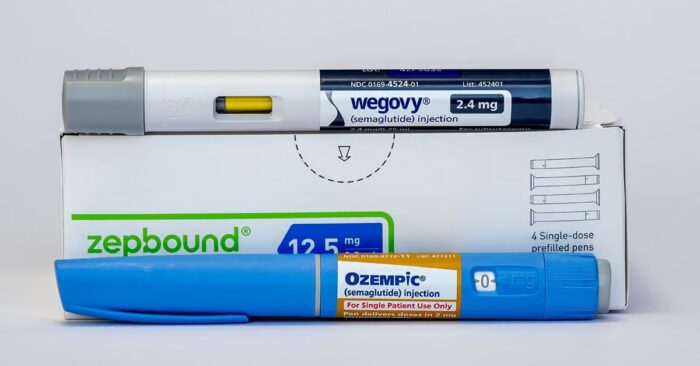
The Food and Drug Administration (FDA) announced on November 9 that it will require drugmakers to add information to the warning labels of Ozempic, Wegovy, Mounjaro, Zepbound and other GLP-1 medications about “a potential increased risk” of a rare eye condition called nonarteritic anterior ischemic optic neuropathy (NAION). GLP-1 medications are approved to treat type […]
Read MoreCategory: Health News
Why Are Parents Refusing the Vitamin K Shot, and What Are the Risks?
Vitamin K shot refusal rates among U.S. newborns more than doubled from 3.1% in 2017 to 6.8% in 2025, while cases of vitamin K deficiency bleeding nearly quadrupled during the same period. Infants who don’t receive the vitamin K shot have a 47% higher risk of bleeding and more than twice the risk of intracranial […]
Read MorePlant-Based Milks: Are They Affecting Your Iodine Intake?
Most plant-based milk, yogurt, and cheese alternatives aren’t fortified with iodine, which may lead to iodine inadequacy if you replace even 20% of your dairy intake with these products. Iodine is essential for thyroid hormone production, metabolism, and fetal brain development. Low iodine intake over time can cause hypothyroidism, leading to fatigue, weight gain, and […]
Read MoreEthnic differences in the prevalence and factors associated with prediabetes and diabetes among tested adults in Australian primary care (2014-2024)
Ethnic differences in the prevalence and factors associated with prediabetes and diabetes among tested adults in Australian primary care (2014-2024) Source link
Read MoreAdvances in the hospital management of hyperglycemia and type 2 diabetes in non-critical care settings
Advances in the hospital management of hyperglycemia and type 2 diabetes in non-critical care settings Source link
Read MoreThe 2026 state of inpatient diabetes management: a rich history, an exciting future
The 2026 state of inpatient diabetes management: a rich history, an exciting future Source link
Read MoreCardiovascular Disease: Mammograms May Offer Early Detection
Mammograms may do more than detect breast cancer — the routine X-ray check may also offer insight into heart health. Research shows that breast arterial calcification (BAC), which forms in the breasts, may indicate potential risk for cardiovascular disease. Reporting BAC on mammograms has become a major push among leading healthcare organizations. Mammograms are widely […]
Read More‘Ferritin Face’: Can Low Iron Really Change Your Appearance?
Reports of “ferritin face” on social media suggest that certain facial changes could indicate that you’re low in iron. Low iron levels may cause subtle changes in appearance, but these signs alone aren’t enough to diagnose iron deficiency. Healthcare professionals rely on blood tests, such as a complete blood count and ferritin levels, to confirm […]
Read MoreMelissa Joan Hart Shares How She’s Navigating Hot Flashes at 50
Actor Melissa Joan Hart is opening up about experiencing moderate to severe hot flashes during perimenopause and why she’s encouraging women to talk more openly about menopause. Hot flashes affect up to 80% of women during the menopause transition, and symptoms can interfere with sleep, work, and everyday activities. Health experts say women experiencing bothersome […]
Read MoreNew Food Pyramid: What It Recommends Eating
Routhenstein told Healthline that research consistently shows that plant-forward eating patterns, including the Mediterranean and DASH diets, are associated with better cardiovascular health and a lower risk of heart disease. Plant foods provide fiber, potassium, antioxidants, and other beneficial compounds that can help support healthy cholesterol levels, blood pressure, blood sugar, and blood vessel function. […]
Read More