
The 60-week trial enrolled 120 adults with overweight or obesity.
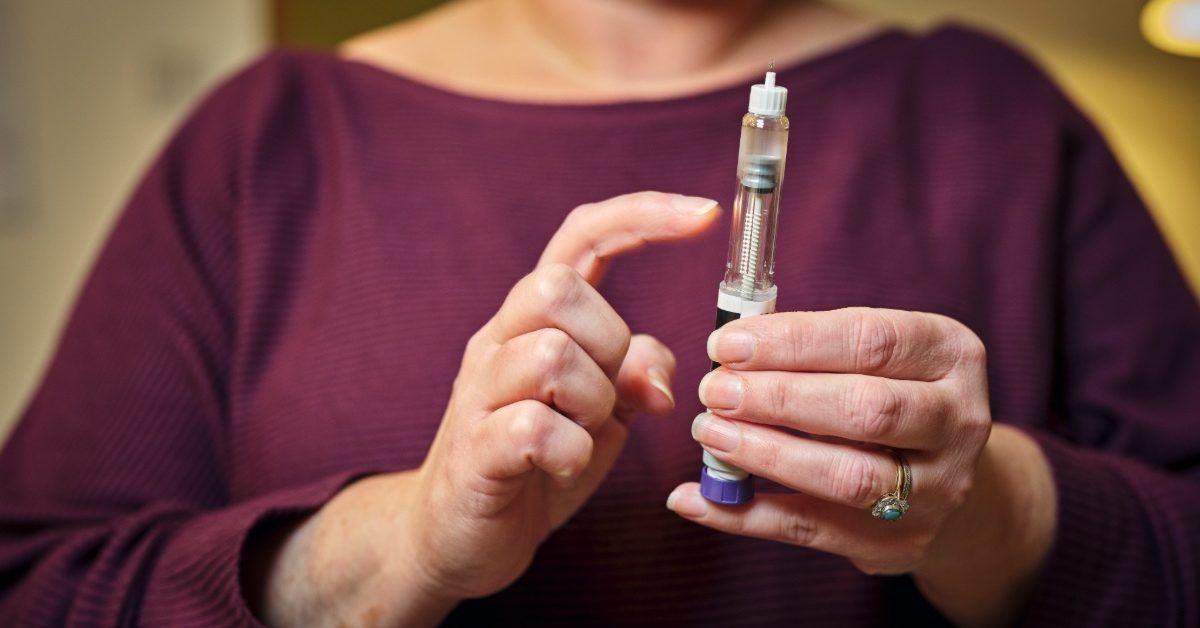
Participants received either a once-weekly 2.4-milligram dose of semaglutide or a placebo, along with regular lifestyle counseling focused on healthy eating and physical activity.
At the beginning of the study and again at weeks 20, 40, and 60, participants ate standardized meals and were instructed to eat until they felt comfortably full, while researchers measured the number of calories they consumed.
Compared with those given a placebo, participants taking semaglutide consistently consumed 24% to 30% fewer calories at each follow-up assessment through week 60.
The sustained reduction in calorie intake was accompanied by greater weight loss.
Participants taking semaglutide lost an average of 15.1% of their initial body weight after 60 weeks, compared with 3.4% among those taking a placebo.
“These findings are consistent with what I see in my own clinical practice when prescribing semaglutide,” said Mir Ali, MD, bariatric surgeon and medical director of MemorialCare Surgical Weight Loss Center at Orange Coast Medical Center in Fountain Valley, CA.
Ali was not involved in the study.
“In many cases, the benefits of the medication can persist over time, although some patients may become slightly less sensitive to its effects as their bodies adjust,” he told Healthline.
The study also examined participants’ feelings of hunger, fullness, and food preoccupation (food noise).
The researchers found that during the first 20 weeks, people using semaglutide reported less hunger, fewer food-related thoughts, and greater appetite control.
However, by weeks 40 and 60, the differences between those using semaglutide and the placebo group on these measures were no longer statistically significant.
Despite this, participants taking semaglutide continued to consume significantly fewer calories than those taking a placebo throughout the study.
GLP-1 medications help control your appetite by mimicking a natural gut hormone. They also slow stomach emptying, helping you feel full longer.
These medications can also help quiet food noise and reduce cravings.
Jonathan Jennings, MD, board certified internist with Medical Offices of Manhattan, who wasn’t involved in the study, told Healthline that obesity is an excessive amount of body fat around the internal organs that makes the body less responsive to the hormone insulin, and this resistance results in the production of more insulin.
“Excessive amounts of the hormone insulin in the body stimulate the appetite. Semaglutide decreases the amount of insulin in the body, which also decreases the appetite,” he said.
Although semaglutide helped participants maintain a lower calorie intake, experts said the medication should still be viewed as one part of a broader long-term weight management strategy.
“I always emphasize that the most successful outcomes happen when patients use the medication as a tool and not a stand-alone solution. Long-term results are typically driven by a combination of the medication’s effects and meaningful, sustainable changes in diet and lifestyle,” said Ali.
Jennings agreed and added that strategy planning with a nutritionist and a healthcare professional is the most effective way to make the modifications needed to reduce the risk of rebound weight gain after stopping the medication.
“Overall, these findings highlight the value of continued treatment for many patients. For individuals who tolerate the medication well, staying on it longer term can play an important role in maintaining weight loss and supporting ongoing metabolic health,” Ali said.
Leave a Reply