
- Colorectal cancer is rising fastest among Hispanic and Latino adults younger than 50, highlighting the importance of recognizing symptoms regardless of age.
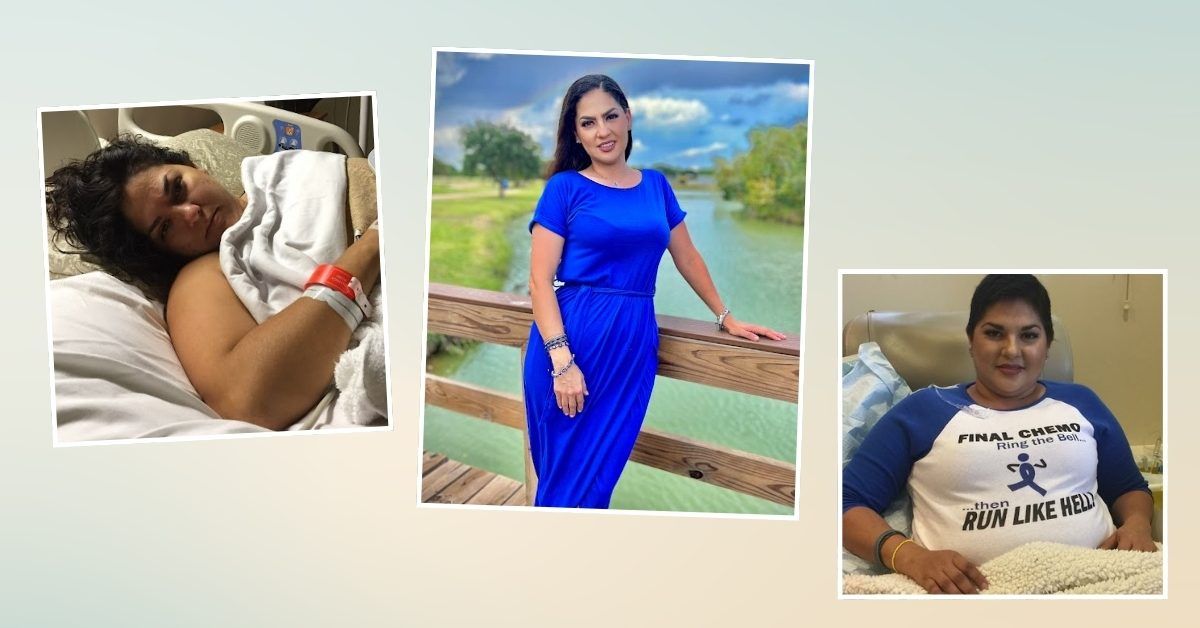
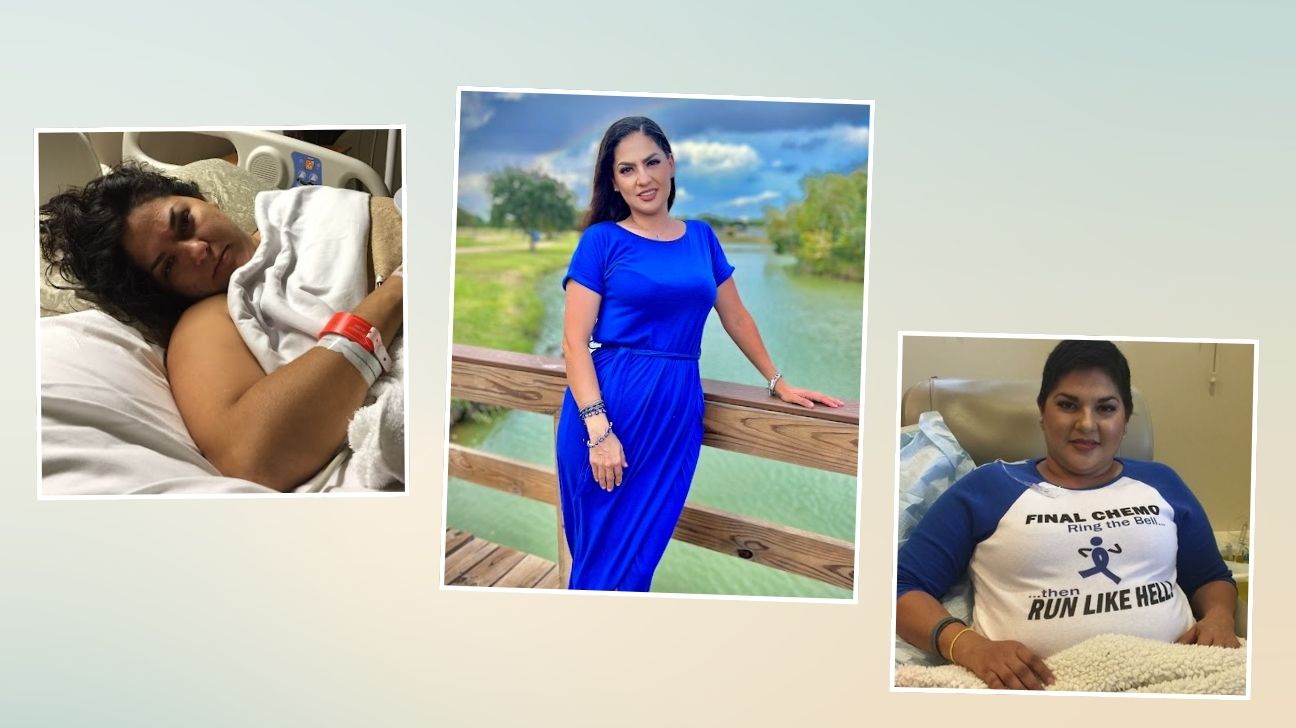
- Azucena Reyes was diagnosed with stage 3B colon cancer at age 32 after doctors initially told her she was too young and did not fit the typical profile for the disease.
- Experts say anyone with warning signs of colorectal cancer should seek medical evaluation, even if they are younger than the recommended screening age of 45.
In August 2015, AzucenaReyes dropped her youngest son off for his first day of pre-K while she pushed through intense nausea that she had been dealing with for months. The next day, the nausea was accompanied by strong stomach pain that landed her in the hospital.
“I thought my ovary burst, but it was actually a tumor,” she told Healthline.
For the next three months, she navigated having the tumor removed and being told it couldn’t be cancerous because she was only 32 years old and Hispanic.
“They told me, ‘You have a very, very slight chance, or no chance at all, of having cancer. You’re only 32. It happens to people who are African American and older in their 60s,’” Reyes said.
Two months later, in October, the tumor came back, and Reyes was diagnosed with stage 3B colon cancer.
“When I asked doctors why I got it when I was so young and not the right race, they told me they didn’t have an answer,” she said.
Looking back, Reyes believes her experience highlighted a broader lack of awareness about early onset colorectal cancer.
Today, research
“At the time I was diagnosed, I don’t think doctors were as educated as they are now,” said Reyes. “But now it’s rising. It’s rising high in Hispanics.”
In 2018, the American Cancer Society revised its
“So most testing in people under 45 is in response to symptoms,” Richard Wender, MD, Medical Advisor at the Colorectal Cancer Alliance, told Healthline. “We are increasingly realizing that people of any age can develop colorectal cancer, so warning symptoms require diagnostic testing regardless of a person’s age.”
He said reach out to your doctor if you experience the following symptoms no matter your age:
- Blood in your stool or rectal bleeding
- A persistent change in bowel habits, such as new diarrhea, new constipation, thin stools, or trouble emptying completely
- Persistent abdominal pain, cramping, or bloating
- Unexplained anemia
- Unintentional weight loss and feeling weak and tired
Wender noted that there are some people under age 45 who don’t have symptoms but should be screened, including:
- Anyone who is a known genetic carrier of a familial mutation, such as Lynch syndrome and Familial Adenomatous Polyposis
- People with a strong family history of colorectal polyps and/or cancer, particularly starting at a young age
- Anyone who has had inflammatory bowel disease, like Crohn’s disease or Ulcerative Colitis
Because insurance is unlikely to pay for screening in people under age 45 who don’t have symptoms or are not considered high risk, Wender said if you want to be screened, ask your doctor about non-colonoscopy screening, such as FIT-DNA (Cologuard), FIT-RNA (Colosense), or Fecal immunochemical testing (FIT).
“This reserves colonoscopy for the individuals who have a positive initial stool test,” he said.
Reyes’s GI team initially told her she’d need only a couple of rounds of chemotherapy; however, her oncologist went forward with 12 rounds.
“It sure was tough, especially toward the end,” she said.
Chemotherapy reshaped Reyes’s body in ways she hadn’t been warned about. She said she went from around 120 pounds before treatment to close to 250 afterward. She had difficulty walking, too.
“My feet felt numb a lot,” she said.
Extensive physical therapy helped her regain her strength, and over the years, she gradually lost the weight she had gained during treatment. However, the effects of treatment on her digestive system have never fully gone away.
“There’s some foods that I still cannot tolerate,” she said. “I didn’t know that my diarrhea, or my bowel [issues], weren’t going to go away. I thought it was something temporary,” Reyes said. “Now I have to make sure there’s a restroom everywhere I go. It’s a different way of living, but I’m grateful to be alive.”
She continues to manage lasting effects from treatment, including low thyroid function, low B12 that requires regular shots, and low iron that she treated with infusions. While she still worries the cancer could come back, she takes what she feels are the proper steps, including eating a diet high in fiber and low in red and processed meat. She also gets routine bloodwork and screenings done.
She is hopeful for how far treatment has come. “The chemo I received 10 years ago is no longer used,” she said. “I hope science keeps improving and someday figures out what is causing this increase in younger people.”
While the medical field hasn’t found one single cause for the increase, Wender said most experts believe it’s due to multiple factors occurring at the same time across the population, affecting different communities and different people in a variable way. He said the main factors being considered include:
- Changes in eating patterns, including high intake of ultra-processed foods and red meat
- Increase in rates of overweight and obesity
- Environmental exposures, including chemicals, microplastics, pollutants, and endocrine-disrupting chemicals
- Changes in the gut microbiome, like colibactin-producing E. coli, and potentially the use of antibiotics
- Stress and its impact on genetic expression
“We’re going to have to watch this trend closely,” said Wender. “It’s not inconceivable that we may need to lower the screening age even below age 45 at some point, although we’re not there now. In the meantime, know your risks, start screening at the right time for you based on risk, and definitely get symptoms checked out!”
What made treatment and recovery harder for Reyes was how little information there was about colon cancer.
“There weren’t advocacy groups like there are now,” she said. “I didn’t have anyone my age who went through it to connect with.”
She remembers asking her doctor directly who could help her make sense of what she was going through. He sent her to the hospital’s support services.
“They give me the basics about chemo and what to expect, but from a professional, not from a person that’s lived through it,” Reyes said.
About a year and a half after she finished chemo, she came across a page called Living Active After Cancer, which connected her to someone from the colorectal cancer community for the first time.
Years after her recovery, she wanted to help others in the colorectal cancer community feel less alone, so she became a member of the Colorectal Cancer Alliance’s Never Too Young Taskforce.
“People are getting diagnosed with colorectal cancer younger and younger each year,” she said. “We need to make people aware about it.”
She shares her story at events and festivals and reaches out to Spanish-speaking communities.
“The Spanish-speaking community doesn’t have equal access to colon cancer information,” she said. “There also aren’t many advocates who speak Spanish, so I’m passionate about being that person for my community.”
She points people toward free screening resources and information such as colorectalcancer.org, which she said can help people understand their risk and next steps, regardless of their age or race.
“It’s very important for me to educate people about this,” she said. “It’s a deadly disease that we need to stop.”
Leave a Reply