
- The Trump Administration is considering an executive order on vaccines and autism as early as next week.
- The White House move contradicts a large body of evidence showing no link between vaccines and autism.
- Experts reaffirm that vaccines are safe and effective, and encourage parents to speak with their pediatricians about childhood vaccination.
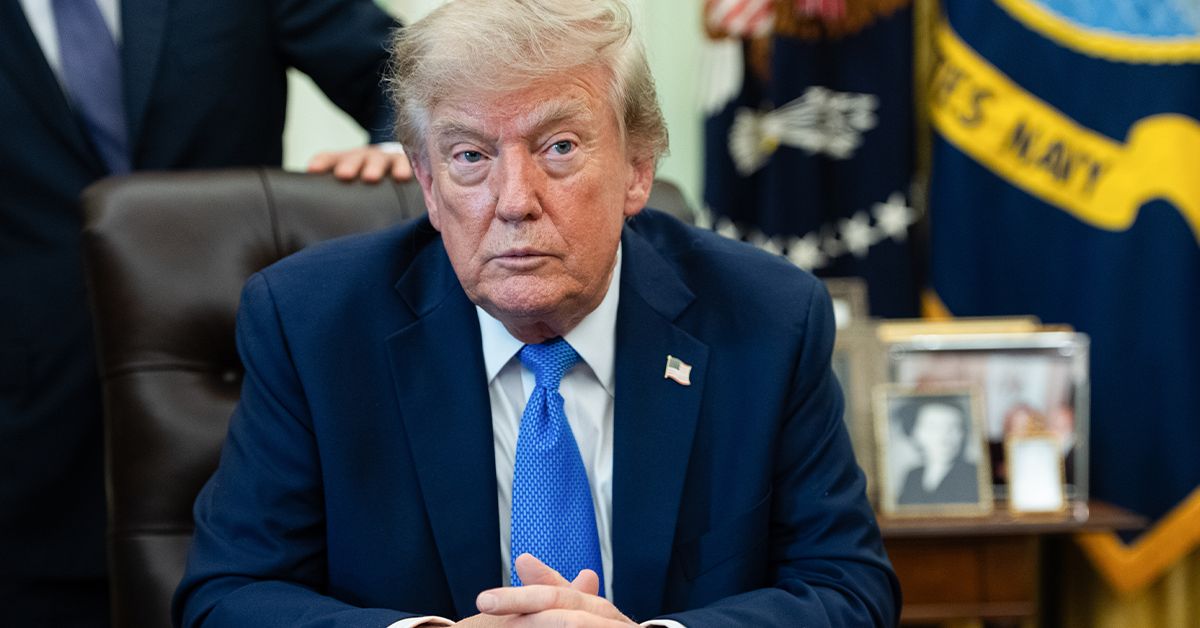
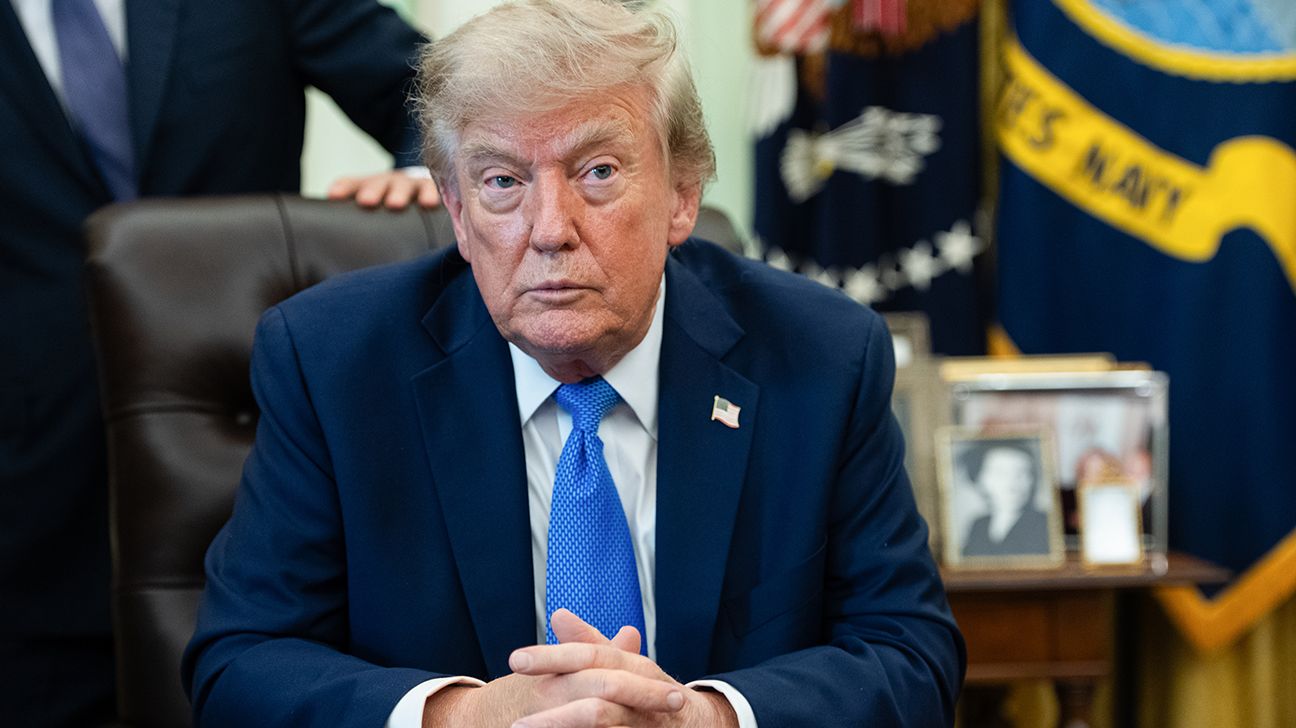
The Trump Administration is reportedly considering an executive order targeting vaccines and autism.
The move clashes with a scientific consensus that has found no such link.
A growing body of evidence supports the safety and effectiveness of vaccines, particularly around the risk of autism and other neurodevelopmental disorders.
Any studies linking vaccines to autism have been refuted by experts over flawed or insufficient data.
Despite the evidence, President Donald Trump and top U.S. health officials have placed vaccines under scrutiny, questioning their safety and calling for more research.
Here’s what we know about President Trump’s executive order, which could be released as early as next week.
A spokesperson, who spoke anonymously to other news outlets, said this executive order was driven by President Trump’s interest in further action on the cause of autism.
While the scope and the timing of the action are yet to be finalized and may still change, the order is expected to focus on autism research and the childhood vaccine schedule.
President Trump has pressed senior health officials, including Health and Human Services (HHS) Secretary Robert F Kennedy, Jr., an outspoken critic of vaccination, to investigate vaccine safety.
In 2025, the Trump Administration ordered the Centers for Disease Control and Prevention (CDC) to investigate whether there is a link between autism and vaccines.
Healthline contacted HHS and was directed by an HHS spokesperson to the White House for comment. The White House has not yet responded. The Washington Post first reported on the potential executive order.
Autism originates in early brain development prior to birth and is influenced by various factors, including genetics and environmental exposure.
Despite this fact, researchers are tasked with debunking misinformation about potential causes of autism.
For instance, a large new study of more than 2.5 million U.S. children found no link between the timing of a first measles, mumps, and rubella (MMR) vaccine before age 2 and a later autism diagnosis.
“The scientific community has researched this very thoroughly, and there’s no evidence that childhood vaccines cause autism,” Danelle Fisher, MD, FAAP, board certified pediatrician at Providence Saint John’s Health Center in Santa Monica, CA, told Healthline in an earlier interview.
Fisher said that parents should trust their pediatrician above all other sources of information, including social media, which is often ripe with misinformation.
She said the AAP has the most up-to-date scientific explanations of vaccines, giving parents a source of information trusted by physicians.
Still, vaccine skepticism and hesitancy persist, contributing to low childhood vaccination rates in the United States.
Declining childhood vaccines, experts say, are largely responsible for the resurgence of infectious diseases like measles.
Graham Tse, MD, pediatrician and chief medical officer of MemorialCare Miller Children’s & Women’s Hospital in Long Beach, CA, said that vaccines are one of the easiest ways to ensure the health of children and the community.
“They are supported by science, evidence, and years of history to back up their effectiveness,” he told Healthline.
Experts stress the importance of following vaccine schedules to prevent serious and potentially deadly illnesses, such as measles, from spreading.
“In some ways, we are victims of our success when it comes to vaccines,” Bryan King, MD, vice chair for child psychiatry and a professor in the school of medicine at the University of California, San Francisco, previously told Healthline.
“They can be so successful in preventing severe illness and death that we can lose sight of why we need or want to be protected from those potentially devastating diseases. We forget how devastating those diseases are.”
This is a developing story. We’ll update this article as we learn more.
Leave a Reply