
The
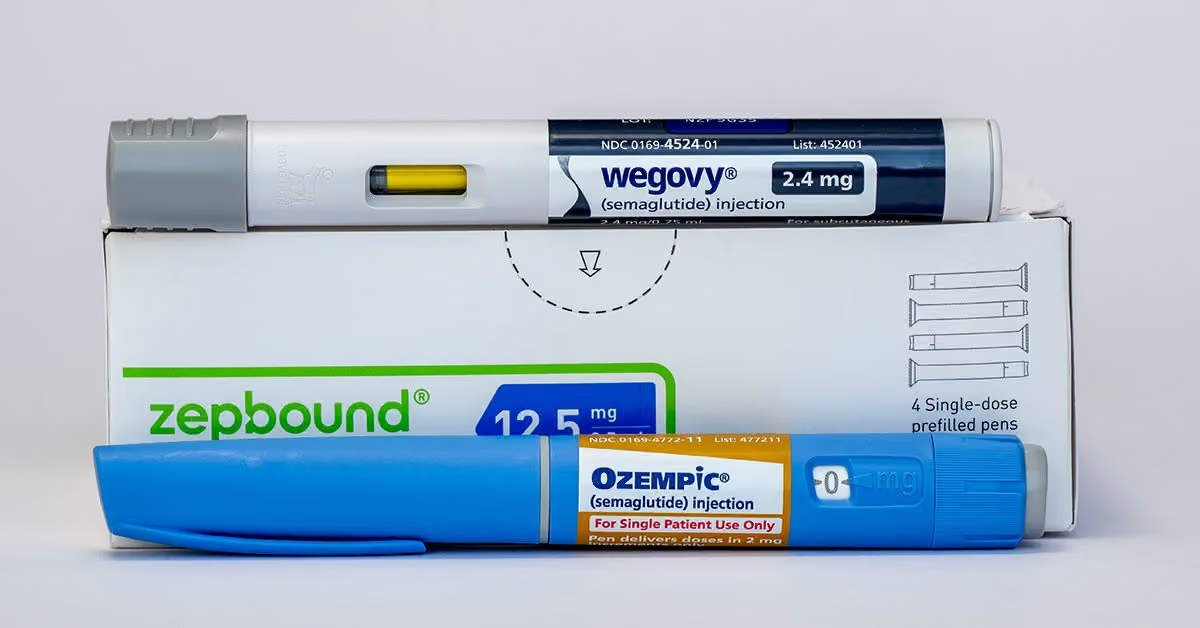
GLP-1 medications are approved to treat type 2 diabetes and to help people lose weight and keep it off.
NAION joins a growing list of side effects linked to GLP-1s, adding a second eye warning to several labels.
The U.S. labels for Ozempic, Rybelsus, Trulicity, Mounjaro, and Zepbound already warn about diabetic retinopathy, a diabetes-related eye disease, according to each drug’s prescribing information.
The two conditions affect different parts of the eye. Diabetic retinopathy damages tiny blood vessels in the retina, the layer at the back of the eye that senses light, according to the
Mihail Zilbermint, MD, director of endocrine hospitalists at Johns Hopkins, told Healthline he hasn’t seen NAION in his patients. He has seen vision worsen in some people after they start a GLP-1.
“But we believe that’s probably related to rapid improvement in their sugar control, which can also be seen in someone who is starting insulin,” Zilbermint said.
Leave a Reply