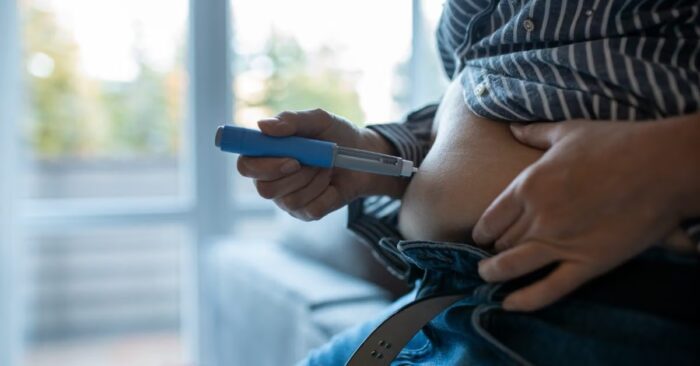
A study presented at the 2026 Annual Meeting of The Menopause Society found that women using menopause hormone therapy (MHT) alongside semaglutide (Ozempic, Wegovy) experienced greater weight loss than those taking semaglutide alone. Tirzepatide (Mounjaro, Zepbound) combined with MHT showed only modest early differences in weight loss, with no statistically significant difference at later time […]
Read MoreMonth: October 2026
Management of dysglycemia in critically ill adults: current evidence, clinical practice and future directions
Management of dysglycemia in critically ill adults: current evidence, clinical practice and future directions Source link
Read MoreWhat's Next—Amylin-based Therapies
We are entering an era of choice in terms of diabetes and obesity therapies. Choice is good, but having a keen understanding of each medication is crucial to avoid being overwhelmed. In this special episode of DOC Updates, host Dr. Neil Skolnik explores the latest amylin-based therapies. This special episode is sponsored with support from […]
Read MoreAfter GLP-1s Quit Working, He Lost 80 Pounds with a Simple Procedure
Former competitive weightlifter Dana Bichler lost more than 80 pounds after undergoing endoscopic sleeve gastroplasty (ESG), a minimally invasive weight loss procedure. After struggling with weight regain despite dieting and trying GLP-1 medications, Bichler pursued ESG amid concerns about his obesity-related fatty liver disease. Bichler says the procedure helped him regain his energy, become more […]
Read MorePerimenopause: Can Regular Exercise Improve Your Symptoms?
A new study reports that exercising more frequently may help alleviate perimenopause symptoms. While increased physical activity was linked to improved perimenopause symptoms overall, the strongest association was with psychological symptoms like anxiety. Finding exercises you enjoy and creating accountability can help increase your physical activity level. A new study found that exercising more frequently […]
Read MoreGLP-1 Side Effects vs. Benefits: Real Patient Experiences
GLP-1 medications like semaglutide and tirzepatide can lead to significant weight loss and may help reduce inflammation, improve mobility, and quiet persistent thoughts about food. Many people report life changing results after years of unsuccessful diets. A Healthline story on Mayim Bialik’s GLP-1 side effects became our most engaged Facebook post of the year, as […]
Read MoreMenopause: ADHD Medications May Reduce Brain Fog
A recent review found that ADHD medications like lisdexamfetamine (Vyvanse) and atomoxetine (Strattera) may help improve self-reported symptoms of brain fog in perimenopausal and postmenopausal women. Menopausal brain fog — including forgetfulness, slow thinking, and difficulty concentrating — may be linked to hormonal fluctuations that affect brain function during perimenopause and menopause. Experts caution it’s […]
Read MoreMigraine: Endometriosis Linked to More Than Double the Risk
Share on PinterestResearchers may have uncovered the surprising connection between endometriosis and migraine. South_agency/E+/Getty Images Those with endometriosis had 2.3 times the odds of also having migraine, according to a new analysis of more than 13 million females. The researchers said the two conditions may share a pain pathway. A planned clinical trial will test […]
Read MoreUtility of Pancreatic Perivascular Adipose Tissue as a CT Imaging Biomarker for Diagnosing Type 2 Diabetes
Intrapancreatic fat deposition is a well-established biomarker for type 2 diabetes mellitus (T2DM), but little is known about the role of pancreatic perivascular adipose tissue (PVAT), fat surrounding blood vessels supplying the pancreas. The objectives of this study were to develop a fully automated pipeline to derive imaging biomarkers of pancreatic PVAT from abdominal computed […]
Read MoreHigh-Frequency Feeding With Late-Night Snacking Accelerates Type 2 Diabetes and Alters Diurnal Metabolic Gene Expression in Male KK Ay Mice
We investigated whether sustained high-frequency feeding (six meals per day) increases type 2 diabetes mellitus (T2DM) incidence and alters diurnal metabolic patterns in male KKAy mice. Mice were randomly assigned to three or six isocaloric meals per day for 60 days. Metabolic phenotyping, tissue glycogen assays, multitissue circadian clock gene analysis, and exploratory correlation analyses […]
Read More