
- A meta-analysis found that one type of GLP-1 medication may be more effective than others.
- The analysis showed that GLP-1s containing tirzepatide (Zepbound, Mounjaro) helped people lose more weight than those containing semaglutide (Ozempic, Wegovy).
- Liraglutide (Saxenda) had the lowest weight loss percentage among users.
- The success of tirzepatide may be due to its dual mechanism, which targets multiple receptors.
As around
A recent
“We were interested in finding which drug gives the most weight loss and doesn’t have higher rates of side effects like nausea and gastrointestinal problems,” Pooja Gokhale, corresponding author of the review and a doctoral student in the University of Georgia College of Pharmacy, said in a press release.
“Tirzepatide seems to be the better option,” Gokhale said.
The analysis found that those using tirzepatide (Zepbound or Mounjaro) lost 15–20% of their body weight.
By comparison, participants taking semaglutide (Ozempic or Wegovy) lost around 12–13% of their body weight. Liraglutide (Saxenda) showed the lowest weight loss percentage, around 5%.
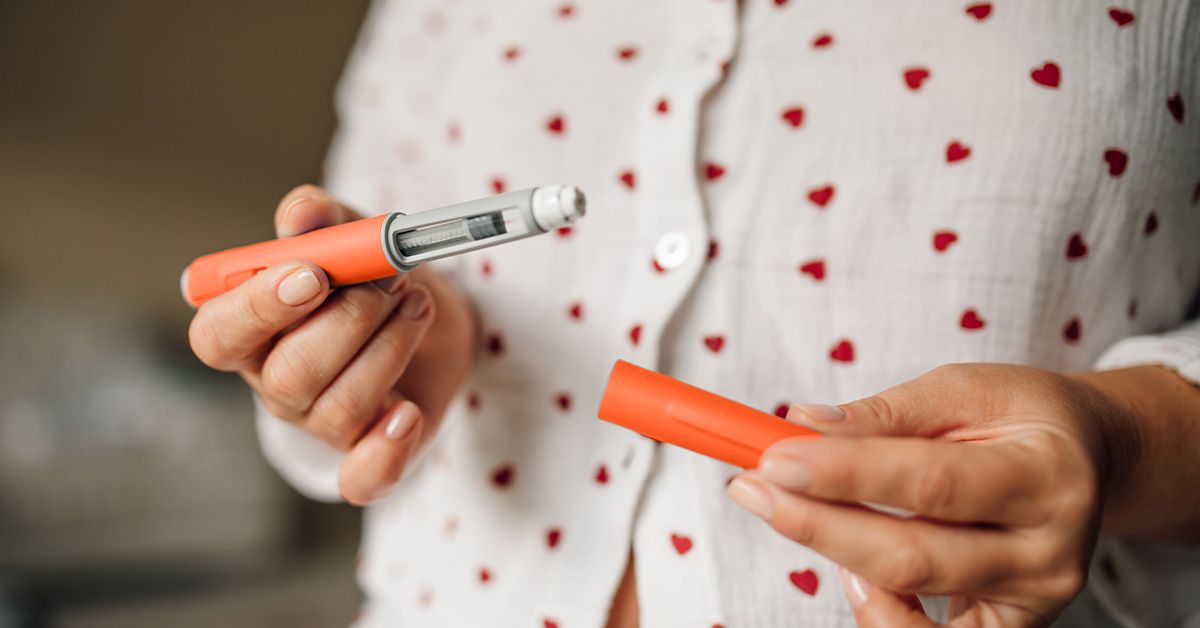
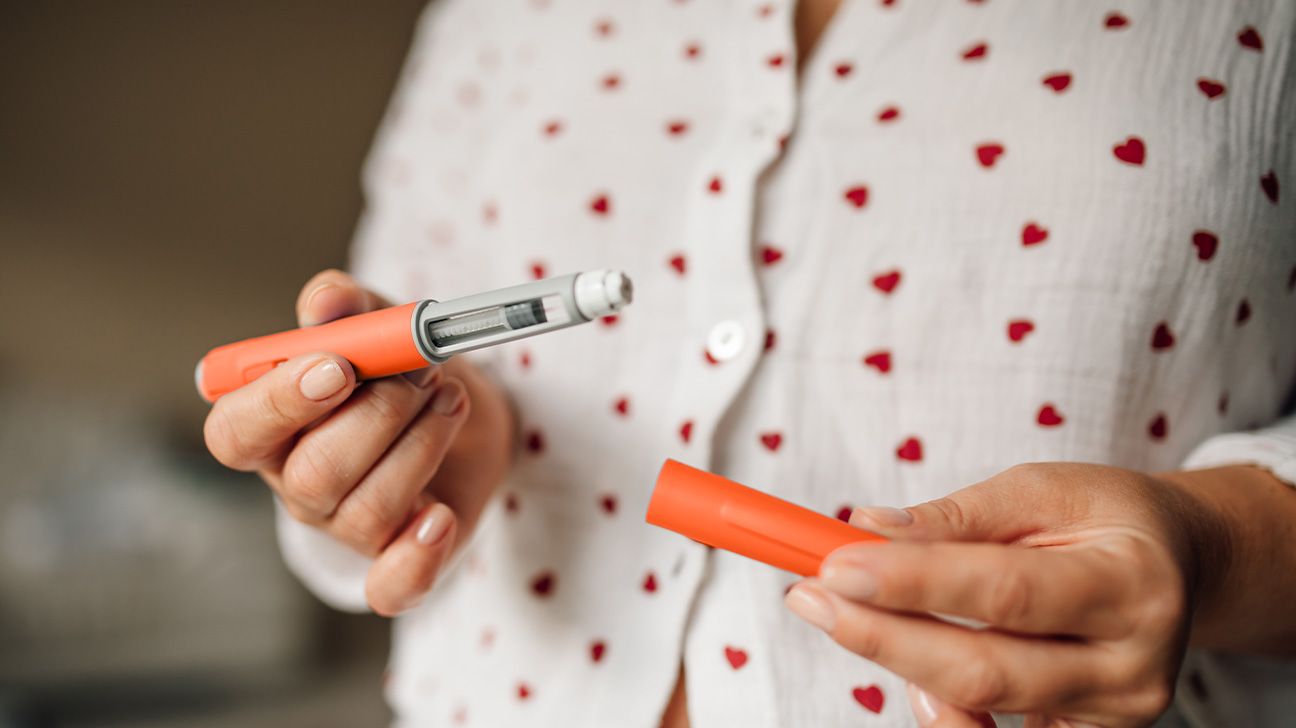
GLP-1 medications work by mimicking natural hormones in the gut, which help to lower blood sugar, slow digestion, and promote feelings of fullness to aid weight loss.
Semaglutide and liraglutide target GLP-1 receptors, whereas tirzepatide targets both GLP-1 receptors and another gut hormone, GIP. This dual mechanism may be what’s driving greater weight loss results with tirzepatide.
The researchers also suggest that the way the body processes and interacts with the medication may play a role in weight loss.
Liraglutide, in particular, has a half-life of only around 13 hours and requires a daily injection. Semaglutide and tirzepatide have half-lives of 1 week and 5 days, respectively, allowing weekly injections.
“While tirzepatide may achieve greater average weight loss, there is no single ‘best’ medication for every patient,” said Clare Thompson, a general practitioner and weight management services lead at Cadogan Clinic in the United Kingdom. Thompson wasn’t involved in the study.
“Future research will help us better understand whether the additional weight loss seen with tirzepatide translates into superior long-term health benefits compared with other GLP-1 therapies.”
While tirzepatide may lead to greater weight loss, a semaglutide medication may be more suitable for some people.
Semaglutide is often less expensive than tirzepatide, which may be a deciding factor.
“Semaglutide has been on the market for longer and subsequently has more robust, long-term data on outcomes for reducing heart attacks and strokes, and also good evidence to support a reduction in renal disease,” said Thompson.
Semaglutide is also available as an oral pill, which may help those who are averse to injections.
Oral semaglutide (Rybelsus) was the first oral GLP-1 approved by the Food and Drug Administration (FDA). It was originally approved to treat type 2 diabetes, but may also aid weight loss. In December 2025, the FDA also approved an oral form of Wegovy specifically for weight loss.
Despite the widespread success of GLP-1s for weight loss, experts encourage healthy lifestyle habits, such as a balanced diet and regular exercise.
“Obesity should be viewed as a chronic medical condition requiring a personalized treatment approach — there isn’t a one-size-fits-all,” said Thompson.
“The best outcomes occur when pharmacological treatment is combined with sustainable lifestyle changes, including improved nutrition, regular physical activity, adequate protein intake, and resistance training to help preserve muscle mass during weight loss.”
Leave a Reply