
Introduction and Objective: T2D is characterized by increased rates of endogenous glucose production (VEGP) and hepatic insulin resistance, which are strongly linked with MASLD and potential alterations in hepatic mitochondrial function. Because there is limited direct evidence for this in humans we assessed rates of hepatic mitochondrial oxidation [citrate synthase (VCS)] flux and contributions of […]
Read MoreAuthor: sugaradmin
1162-OR: “If There's Something Better, I Wouldn't Say No”: Why Do Adults with Type 1 Diabetes Using Advanced Technologies Pursue Stem-Cell Treatments?
Introduction and Objective: Advancements in stem-cell treatment (SCT) offer hope of a cure for type 1 diabetes (T1D). As SCT trials progress, it is important to understand why adults with T1D do or do not pursue SCT, especially in the context of advanced diabetes technology use. Our aim was to explore factors influencing pursuit of […]
Read More1215-OR: Lower Liver Fat in Type 1 Diabetes Compared with Type 2 Diabetes and Nondiabetic Individuals: Association with Portal Insulin Exposure
Introduction and Objective: Hepatic steatosis is closely linked to obesity, insulin resistance, and type 2 diabetes mellitus (T2DM). However, the relative contributions of obesity versus portal insulin exposure to liver fat accumulation remain unclear. We examined the relationship between liver fat content, body mass index (BMI), and portal insulin concentration in individuals with type 1 […]
Read More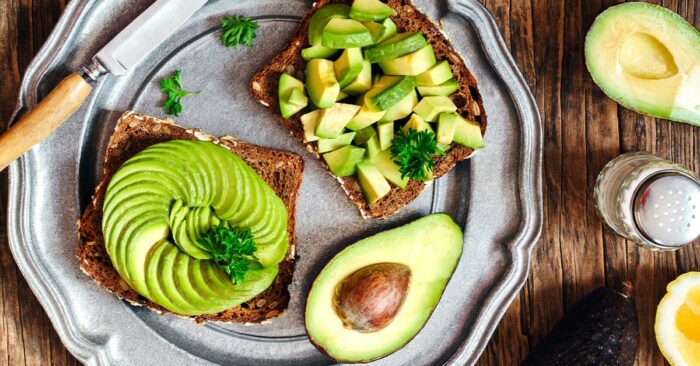
Can Eating Avocado Improve Health and Lower Your Risk of Diabetes?
Share on PinterestResearch shows that eating more avocado can reduce your risk of diabetes, hypertension, and obesity. Image Credit: Anjelika Gretskaia/Getty Images Research suggests that females who eat 30–38 grams of avocado per day may have a lower risk of diabetes. A recent study also found that eating one avocado and 1 cup of mango […]
Read More1216-OR: Added Sugars from Desserts, Gut Bifidobacterium, and Steatotic Liver Disease in Hispanic/Latino Adults
Introduction and Objective: Human evidence is lacking on whether added sugar intake affects liver function via gut microbes. We examined associations of added sugar intake from desserts, a major added sugar source, with liver fibrosis (FIB-4), MRI liver fat (PDFF) and inflammation (native T1), gut microbiota, and metabolites in Hispanic Community Health Study/Study of Latinos […]
Read More1186-OR: Gestational Diabetes Mellitus Subtypes and Maternal Cardiometabolic Outcomes 10–14 Years after Delivery
Introduction and Objective: Subtypes of gestational diabetes mellitus (GDM) have been described but their association with subsequent maternal cardiometabolic health remains uncertain. We examined whether GDM subtypes were differentially associated with cardiometabolic health 10-14 years after delivery.Methods: An exploratory secondary analysis from the prospective Hyperglycemia and Adverse Pregnancy Outcome Follow-up Study (HAPO FUS). GDM was […]
Read More1196-OR: Gut-Derived L-lactate Reprograms Regulatory T Cell via CRED1 Lactylation to Restrain Type 1 Diabetes Autoimmunity
Introduction and Objective: Type 1 diabetes (T1D) is an autoimmune disease in which Treg dysfunction contributes to immune imbalance. While lactate-driven lactylation shows context-dependent immunomodulatory effects, its role in Treg regulation in T1D remains unclear. Here, we attempt to investigate the role of lactate in T1D and explore therapeutic strategies targeting gut microbiota-derived lactate.Methods: Effects […]
Read More1195-OR: Nanogalaxy, a Novel Hydrophilic Nanoparticle MRNA-Based Platform, Induces T Cell Responses in Nonhuman Primates and Immune Tolerance in a Murine Type 1 Diabetes Model
Introduction and Objective: Antigen-specific immune tolerance (ASIT), which suppresses pathogenic immune responses without impairing general immunity, has the potential to transform Type 1 Diabetes (T1D) treatment. We developed NanoGalaxy™, a hydrophilic nanoparticle (HNP) platform for targeted delivery of mRNA to splenic antigen-presenting cells and evaluated its therapeutic potential in the NOD mouse model of T1D […]
Read More1212-OR: Metabolic Inflexibility to 24-h High-Fat Overfeeding Predicts Weight Gain
Introduction and Objective: Metabolic flexibility (MetFlex) is the ability to match substrate oxidation to fuel availability. Metabolic inflexibility—failure to increase lipid oxidation during high-fat intake—may promote weight gain, ectopic fat, and insulin resistance. MetFlex is often quantified as absolute change in oxidation, but this approach ignores substrate availability and is biased by baseline oxidation, potentially […]
Read More1213-OR: Oral Dextrose Enhances Brain Glucose Uptake beyond Intravenous Dextrose
Introduction and Objective: Incretin therapies exert important effects on the central nervous system (CNS) through incompletely understood mechanisms. We previously showed that brain glucose responses to hyperglycemic clamp are altered in diabetes and obesity. However, standard clamp-based assessments of brain glucose uptake and metabolism do not allow evaluation of a potential role for the incretin […]
Read More