
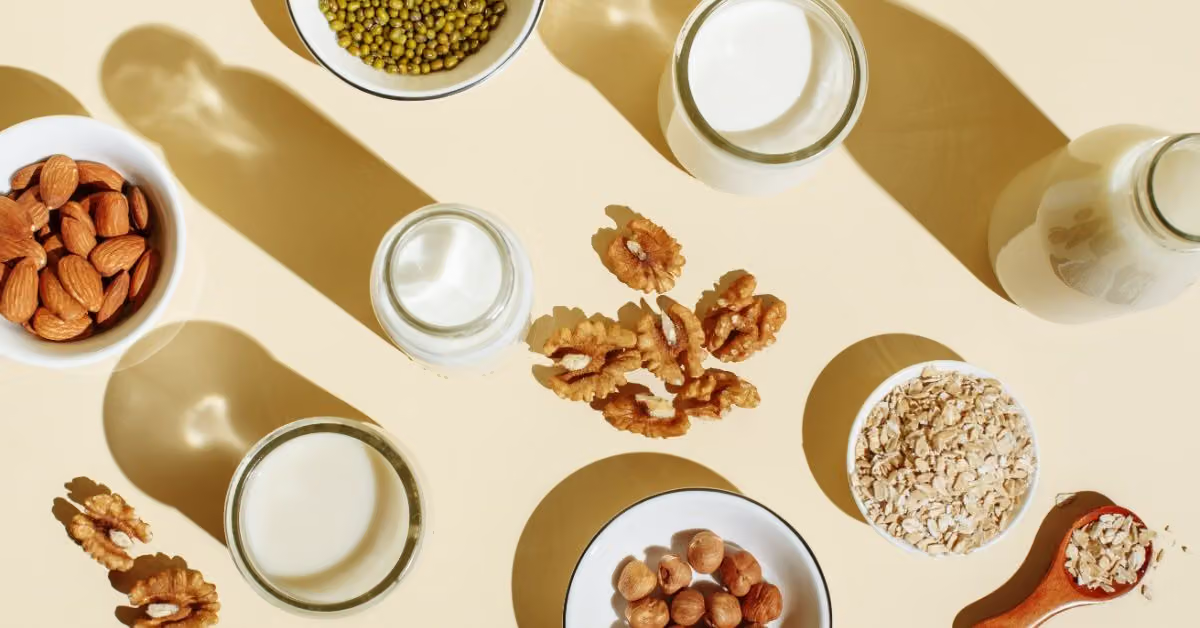
- Most plant-based milk, yogurt, and cheese alternatives aren’t fortified with iodine, which may lead to iodine inadequacy if you replace even 20% of your dairy intake with these products.
- Iodine is essential for thyroid hormone production, metabolism, and fetal brain development.
- Low iodine intake over time can cause hypothyroidism, leading to fatigue, weight gain, and developmental concerns during pregnancy.
- To protect your iodine intake on a plant-based diet, choose fortified alternatives, eat seafood and eggs, use iodized salt, or talk with your healthcare professional about supplements.
Replacing dairy with plant-based alternatives (PBAs), even partially, could substantially lower iodine intake, especially if those alternatives aren’t fortified, according to a recent study published in the
The United Kingdom-based researchers found that only 12% of UK plant-based milk, yogurt, and cheese products analyzed were fortified with iodine. This compares with 61% for calcium and 46% for vitamin B12.
The study found that replacing as little as 20% of dairy intake with plant-based alternatives could increase the risk of inadequate iodine intake, particularly among adolescent girls and women of reproductive age.
“People often worry about a decline in calcium intake when they replace some of their dairy with plant-based alternatives. As a result, iodine is frequently overlooked. This study serves as a valuable reminder of iodine’s significance as a nutrient,” said Victoria Finn, MD, board certified endocrinologist at Medical Offices of Manhattan, who wasn’t involved in the study.
The study included analysis of UK plant-based milk, cheese, and yogurt products, as well as dietary data from 3,500 people.
The researchers used statistical modeling to predict how swapping dairy for PBAs might affect iodine and other nutrients.
The people who are most vulnerable to iodine inadequacy are adolescent females and people at reproductive age, especially those who are pregnant or who plan to become pregnant.
The researchers estimated that replacing 20% to 35% of dairy intake with PBAs would increase the proportion of people with inadequate iodine intake:
- from 54% to 65% in adolescent females
- from 32% to 42% in females ages 19 to 49
When the researchers modeled the replacement of all dairy products with PBAs, the proportion of adolescent females with inadequate iodine intake rose to 80%. Among females ages 19 to 49, that proportion remained relatively stable as replacement rates increased.
It is important to keep in mind that the study used dietary modeling rather than direct measurement of iodine status.
Iodine is important for thyroid hormone production, metabolism, and both fetal and child brain development.
“Your thyroid gland requires iodine to produce thyroid hormones, which play a crucial role in regulating metabolism and supporting normal growth and development,” said Finn.
She added that if you consistently consume too little iodine over an extended period, the thyroid gland may enlarge and eventually struggle to produce enough hormones. This condition is known as hypothyroidism, which can lead to various symptoms such as lethargy, sleepiness, weight gain, dry skin, and more.
“Hypothyroidism can be
In the United Kingdom, dairy is a major iodine source due to cattle feed supplementation, not because dairy is naturally high in iodine.
In the United States, dairy is also an important source of iodine for the same reasons.
However, the risk profile for iodine deficiency in the U.S. may differ from the U.K., as iodized salt is also a significant source of iodine and is widely available in the U.S., but not in the U.K.
Plant-based or plant-forward diets have grown in popularity, in part due to the health benefits they offer. For example, consuming less meat
However, as this study suggests, it may be possible to reduce your iodine intake when transitioning to a plant-based diet. There are ways you can protect your iodine intake when choosing a more plant-forward diet, though.
Check the labels on plant-based dairy alternatives to find those fortified with iodine. You can also read the nutrition label. Iodine may be listed as potassium iodide or potassium iodate.
Seafood, eggs, and iodized salt are all good sources of iodine.
You can also discuss iodine supplements with your healthcare professional.
“Iodine supplements should be taken with caution, especially without checking your thyroid levels,” said Finn. “Additionally, be cautious with kelp supplements, as their iodine content can vary, and excessive iodine intake can disrupt thyroid function.”
Leave a Reply