
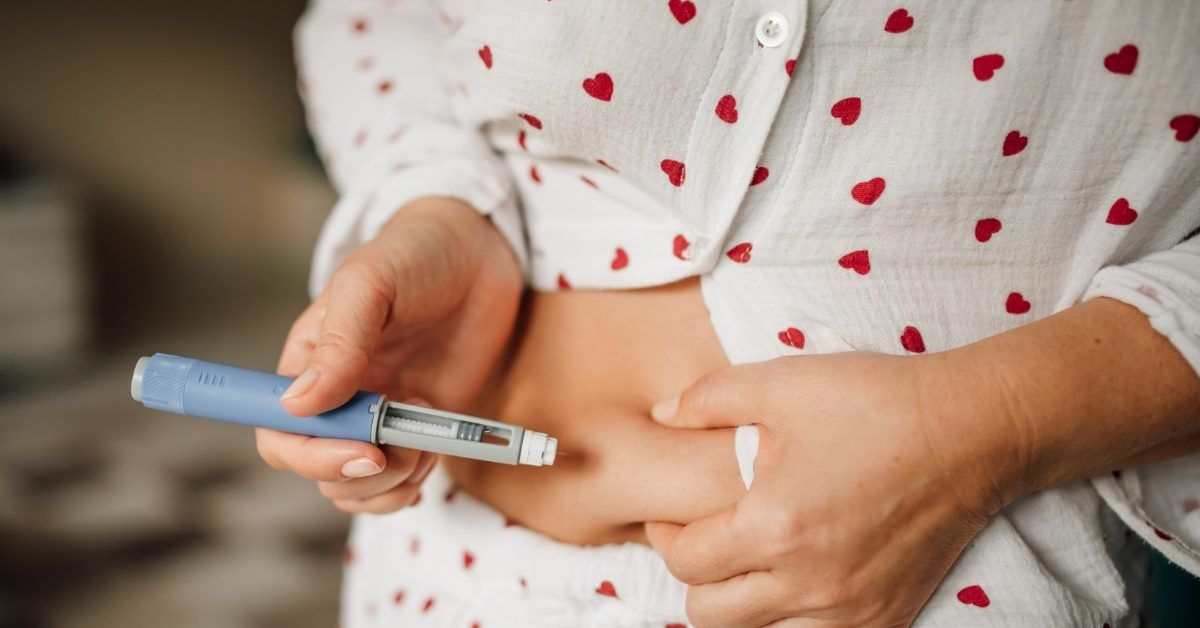
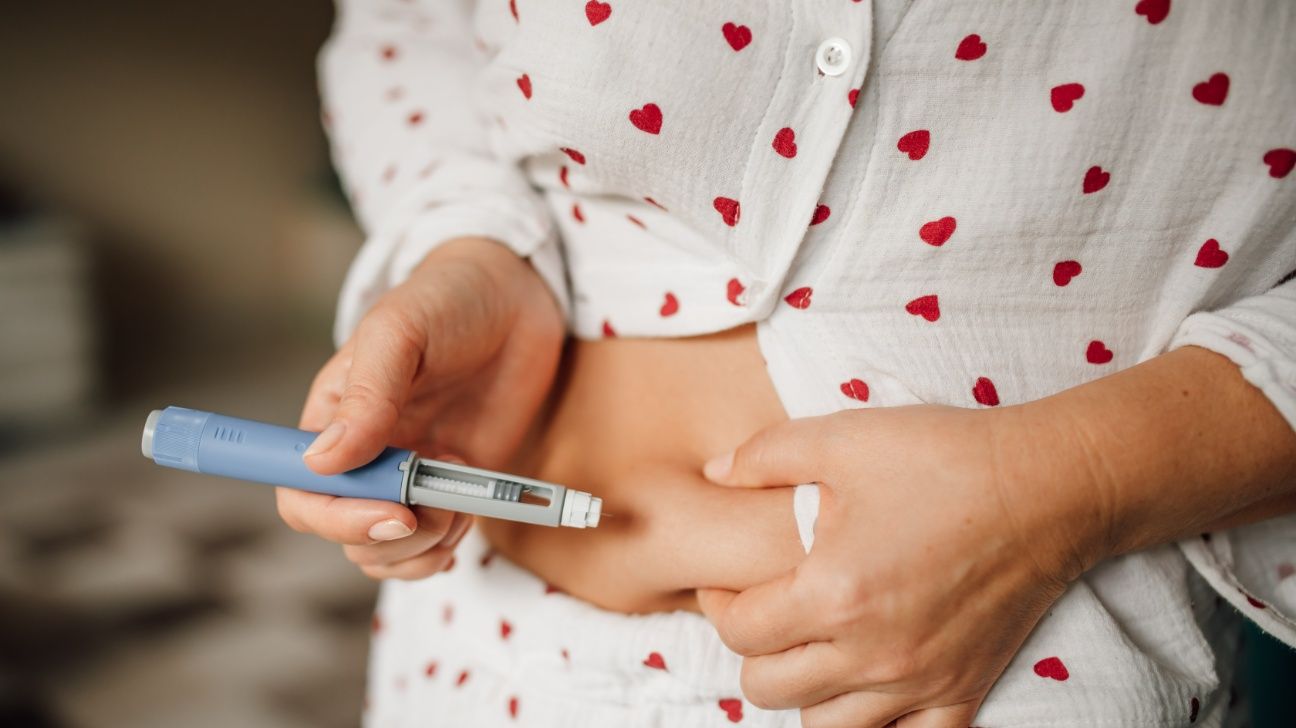
- Recent research suggests that people may still lose weight while staying on the lowest starting doses of GLP-1 medications, such as Wegovy or Zepbound, for longer periods.
- After one year, people taking sustained low dose tirzepatide lost about 5.5% of their body weight, while those taking sustained low dose semaglutide lost about 2.2%.
- Lower doses were associated with more modest weight loss than higher doses, but sustained low dose semaglutide was also associated with lower rates of some side effects.
People may still be able to experience weight loss by staying on lower starting doses of GLP-1 medications, such as Wegovy or Zepbound, for longer, according to research published in Biology Methods & Protocols on August 31.
Staying on lower doses of GLP-1 medications for longer may overlap with a practice commonly referred to as “microdosing,” which has become a trend among celebrities and on social media.
However, the study did not establish that participants were intentionally microdosing, and using these medications outside their approved dosing schedules is not FDA- or manufacturer-approved.
The study included electronic health records from 814 individuals who met the criteria for sustained low dose semaglutide (Ozempic, Wegovy), defined as at least three 0.25 mg doses spanning at least six months. It also included 1,016 individuals who met the criteria for sustained low dose tirzepatide (Mounjaro, Zepbound), defined as 2.5 mg doses spanning at least six months.
They found that those taking sustained low dose tirzepatide for one year saw around a 5.5% weight loss, while those taking sustained low dose semaglutide for the same period saw around a 2.2% weight loss.
The researchers also compared weight loss trajectories between those taking low dose and high dose semaglutide. After matching participants based on age, sex, BMI, and type 2 diabetes status, they found that those on low dose semaglutide experienced 1.7% weight loss while those on high dose semaglutide had about 12% weight loss.
“These findings introduce an important treatment paradigm toward increasing the awareness around ‘microdosing’ for patients whose goal is cardiometabolic health with lesser side effects than typical dose escalation of these medicines and an associated modest sustained weight loss in the 2-7% range from baseline,” Venky Soundararajan, PhD, co-founder, chief scientific officer for nference, and co-author of the study, told Healthline.
Mir Ali, MD, medical director of MemorialCare Surgical Weight Loss Center at Orange Coast Medical Center in Fountain Valley, CA, who wasn’t involved in the study, said it isn’t surprising to see that people taking GLP-1 medications can lose weight even at the lowest dose.
“I have seen this in my own practice. Although these starter doses are generally intended to help patients adjust to the medication, some people may experience meaningful weight loss even at these lower doses,” he added.
Soundararajan noted that weight reductions remained evident through the 15-month follow-up. This suggests that the initiation dose may potentially serve as a sustained maintenance strategy over many months, rather than simply a brief stepping stone to a higher dose, particularly for a patient who has already achieved the weight loss and cardiometabolic benefit they are seeking.
However, Ali cautioned, “In my experience, many patients eventually reach a point where they stop losing weight on the lowest dose, although individual responses can vary considerably. Some patients may achieve satisfactory results on a low dose, but most will need some degree of dose escalation to continue losing weight and reach their goals.”
It is important to keep in mind that while some people experience fewer side effects, microdosing may not reduce the side effects of GLP-1 medications for everyone.
- nausea or vomiting
- reaction at the injection site
- diarrhea
- constipation
Soundararajan told Healthline that low dose tirzepatide (Zepbound, Mounjaro) was associated with modestly more weight loss, while the overall adverse-event pattern (side effects) significantly favored low dose semaglutide (Wegovy), which may be particularly relevant for individuals prioritizing cardiometabolic health and tolerability over maximal weight reduction.
“Compared with patients escalating to conventional higher doses, sustained lowest-dose semaglutide was associated with lower 24-month rates of constipation (23.3% vs 36.3%), nausea (39.7% vs 50.1%), and low blood pressure (1.7% vs 5.4%),” he said.
“This suggests that precision obesity care may increasingly involve asking not only, ‘How much weight can this drug help someone lose?’ but also, ‘What is the lowest dose that achieves this patient’s cardiometabolic goals with the best tolerability?’”
Ali also noted that these findings reinforce that GLP-1 medications can be effective for weight loss even at their lowest doses.
“However, the amount of weight loss at these doses tends to be more modest than what is seen with higher maintenance doses. For many people, gradually increasing the dose may be necessary to achieve greater or continued weight loss, but the appropriate dose ultimately depends on the individual’s response, treatment goals, and ability to tolerate the medication,” he added.
Leave a Reply