
- New research has found that GLP-1 drugs may improve obstructive sleep apnea (OSA) related to obesity.
- The effects of tirzepatide (Zepound), which is FDA approved for OSA, were especially notable.
- GLP-1s appear to improve OSA associated with obesity by promoting fat loss in the neck, throat, and tongue.
- CPAP therapy should be continued until a physician has confirmed remission with a sleep study.
GLP-1 medications prescribed for weight loss, such as Zepbound and Wegovy, show promise for easing symptoms associated with sleep apnea.
A new research review published in
The effects were especially true for tirzepatide (Zepbound, Mounjaro), which also acts on glucose-dependent insulinotropic polypeptide (GIP) receptors. Zepbound is already approved by the Food and Drug Administration (FDA) to help treat sleep apnea.
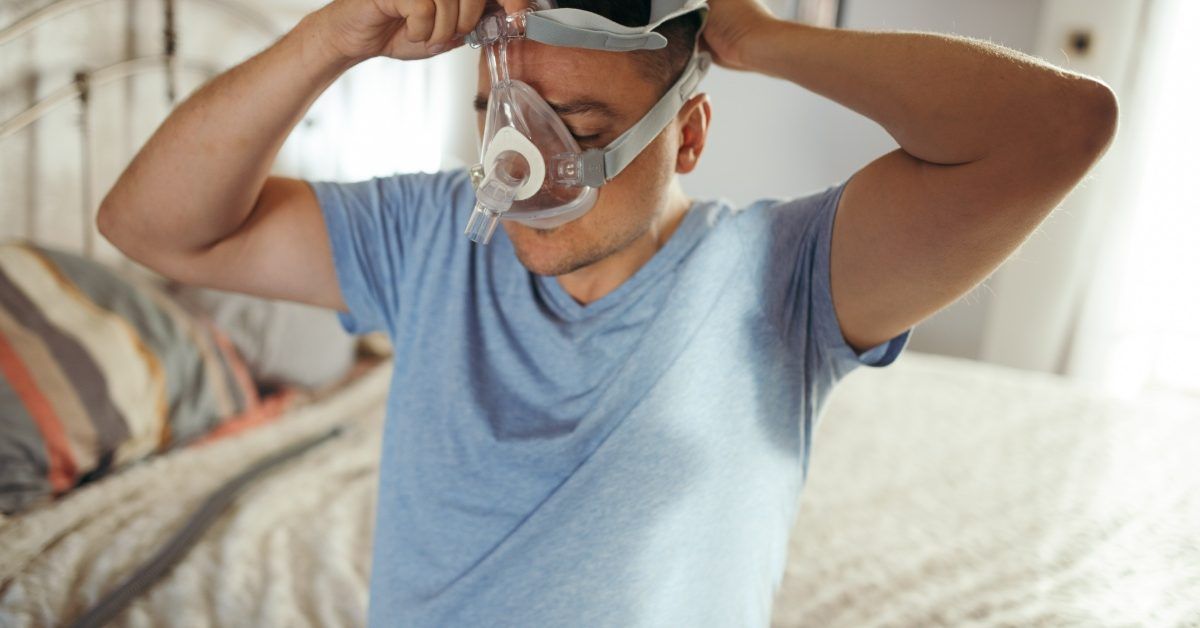
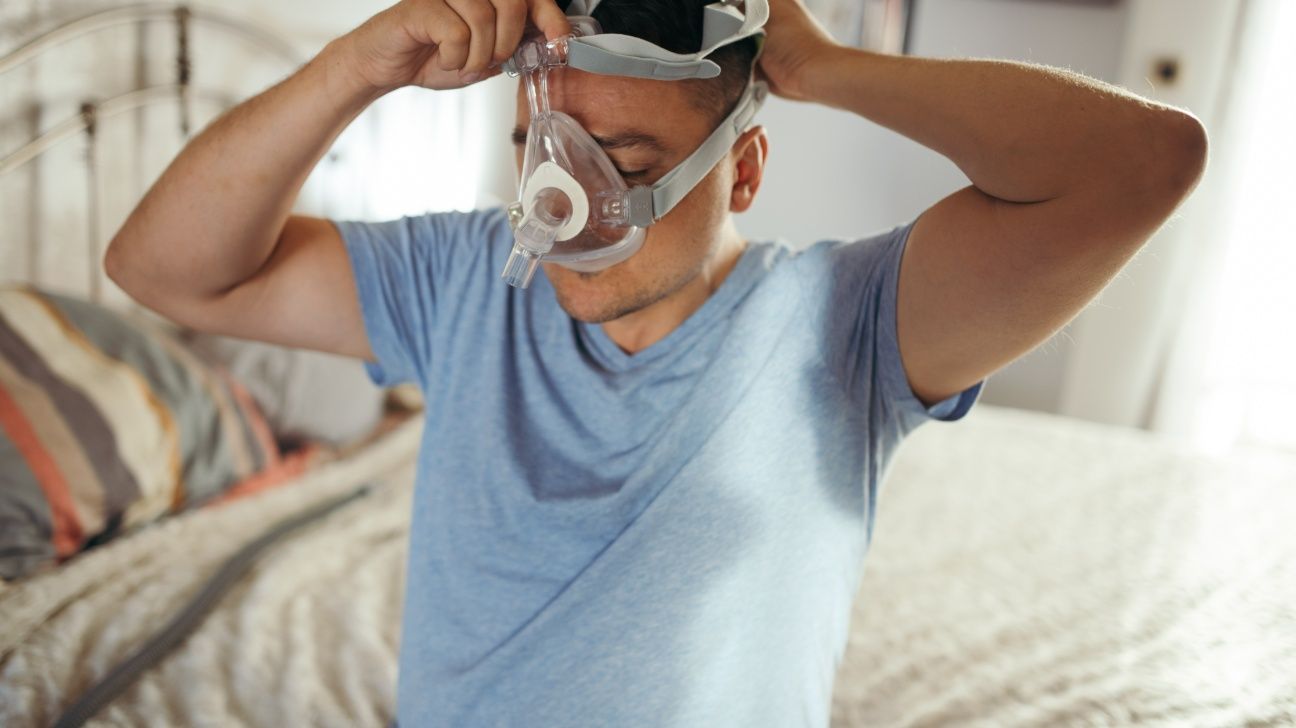
The National Council on Aging explains that OSA occurs when the muscles and tissues within the throat relax during sleep, blocking the airway. While CPAP machines are the standard treatment for this condition, weight loss is often recommended as well since it can reduce fat in the neck and tongue, helping to keep the airway open.
The authors of the review found that in one of the trials studied, weight loss with tirzepatide reduced the number of breathing interruptions, as measured by the apnea-hypopnea index (AHI), by approximately 20–24 per hour, when compared with placebo.
Additionally, up to half of the participants achieved full remission of their symptoms. The researchers did note, however, that CPAP remained the superior treatment.
For this review of studies, the research team examined several scientific databases, including PubMed, Cochrane Library, ClinicalTrials.gov, and Google Scholar.
They looked for studies published between 2016 and 2025 to see what had been learned about GLP-1s and sleep apnea following an initial clinical trial called the SCALE Sleep Apnea trial.
The search included terms related to GLP-1 receptor agonists (such as tirzepatide, semaglutide, and liraglutide) and key sleep apnea outcomes, including the apnea-hypopnea index (AHI), upper airway neuromuscular function, and inflammatory pathways.
The authors included randomized clinical trials, systematic reviews, meta-analyses, and observational studies that reported polysomnographic outcomes or validated patient-reported sleep measures.
Studies exploring how these drugs may affect breathing, muscle function, and inflammation were also reviewed to help explain the clinical findings. However, they did not include any case reports.
Data were then extracted to summarize study designs, populations, interventions, outcomes, and mechanisms.
The goal was to synthesize the currently available evidence to guide medical practice and look for potential areas for future research.
After reviewing the literature, the researchers found that the primary mechanism by which GLP-1 receptor agonists improve OSA is through weight loss, which reduces fat around the neck, tongue, and throat. This helps keep the airway open during sleep.
Research shows a clear relationship between weight loss and OSA improvement: losing 10% of body weight is linked to a 26% reduction in the apnea-hypopnea index (AHI).
These drugs also appear to reduce tongue fat, an important contributor to airway blockage.
Beyond weight loss, emerging research suggests that GLP-1 receptor agonists may affect the brain and nerves that control breathing.
They may help stabilize breathing by changing the sensitivity of respiratory control systems, although more human research is needed.
GLP-1 therapies may also improve leptin signaling, which could help support the muscles that keep the upper airway open during sleep.
OSA also causes inflammation and oxidative stress because of repeated drops in oxygen. GLP-1 receptor agonists have anti-inflammatory effects and may help protect airway muscles from damage caused by repeated oxygen drops. However, much of this evidence comes from animal studies and needs further testing in humans.
Clinical trials have also shown meaningful improvements in OSA severity. In the SURMOUNT-OSA phase 3 trials, tirzepatide reduced AHI by 20 to 24 events per hour, with 42% to 50% of patients reaching disease remission.
Improvements appeared as early as four weeks, before maximum weight loss was reached, suggesting the drugs may provide benefits beyond weight reduction.
Liraglutide also improved AHI and reduced weight in the SCALE Sleep Apnea trial.
The researchers say that although GLP-1 agonists do not match CPAP’s effectiveness, they may be a useful alternative or addition for people who cannot tolerate CPAP or who need to lose weight before surgery.
However, important questions remain about how long the benefits last after treatment stops, whether the drugs help people without obesity, and their long-term cost and cardiovascular effects.
Ruchir P. Patel, MD, FACP, a sleep medicine specialist and vice president and senior medical director at Inspire Medical Systems, said that GLP-1 medications may offer an additional treatment option outside of CPAP therapy. Patel wasn’t involved in the review.
While CPAP is very effective, according to Patel, long-term adherence to the treatment is difficult to achieve.
“Tirzepatide, however, addresses a single risk factor in the setting of OSA — obesity,” he told Healthline. “There are other factors involved in the development of OSA, including just structural anatomy unrelated to fat deposits that cannot be addressed by weight loss.”
Therefore, while tirzepatide can help target this risk factor, Patel emphasizes that the medical community, as well as patients, should not take the view that we have found a cure.
“[W]e have known for many years through the bariatric surgery literature that significant weight loss does not always resolve OSA,” he said. So, while symptoms may improve, the patient could still be at risk.
“[T]he way I state it to patients is that severe is severe regardless of whether it is very severe or on the lower end of the severe category,” said Patel.
In these cases, he suggested that GLP-1s should be viewed as a tool to supplement other therapies that address the anatomical issues that cause OSA, such as hypoglossal nerve stimulation with Inspire therapy.
Further, those who are initially not good candidates for Inspire due to complete concentric collapse sometimes become candidates upon weight loss, Patel said.
James J. Chao, MD, FACS, a board certified surgeon and weight loss specialist, and co-founder and chief medical officer at VedaNu Wellness, said that people with sleep apnea should discuss using a GLP-1 as a part of their treatment plan. Chao wasn’t involved in the study.
Chao said that people with OSA should keep using their CPAP while they undergo therapy. “Once you’ve been treated for 12 months, you’ll need to repeat the sleep study to see if you’ve achieved a reduction in apnea,” he told Healthline.
Chao noted that treatment with a GLP-1 can be expensive, running around $1,000 per month. “[M]edical insurance coverage depends on the codes your doctor can submit for coverage,” he said.
Zepbound (tirzepatide) is currently the only weight loss medication that is FDA approved for the treatment of moderate to severe OSA in adults with obesity.
Leave a Reply