
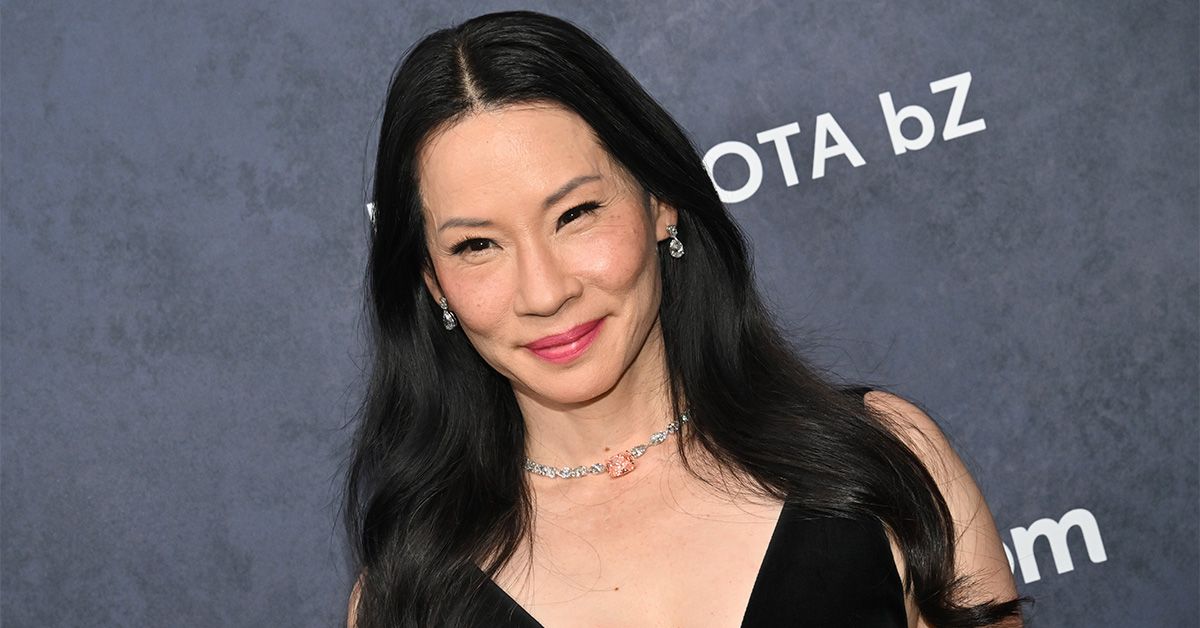
Actor Lucy Liu is sharing how a misdiagnosis at 22 led to unnecessary breast cancer surgery. Now she’s working to raise awareness about the importance of cancer screenings and “getting a second opinion.”
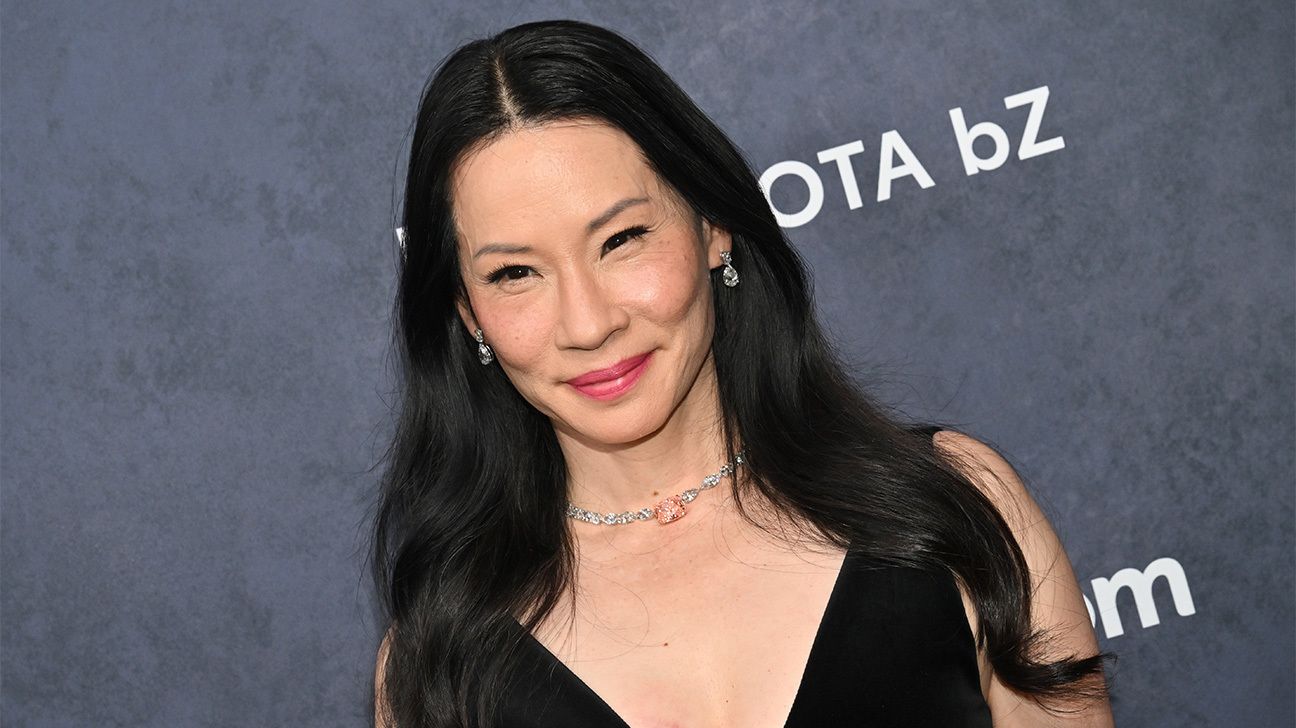
Award-winning actress Lucy Liu will always remember the year 1991. She was 22 years old and found a lump on her breast that led to unnecessary surgery; the lump turned out to be noncancerous.
“I learned a lot about myself, and I think that was the beginning of advocating for myself, with my health and everything else,” she told Healthline. “I think it was a real moment to, I guess, empower myself and recognize the weakness of…not asking questions…and relying solely on the doctor, and also not getting a second opinion.”
“And so, I really didn’t do anything except go in, then go and schedule a surgery,” she said. “I have a lot more curiosity for my health now than I did then.”
Seeking out a second opinion is always critical when it comes to health, said Mikkael Sekeres, MD, chief of hematology at Sylvester Comprehensive Cancer Center, part of the University of Miami Health System.
“Cancer is a serious diagnosis, and it can sometimes be quite complicated to diagnose,” he told Healthline.
“We found that major misdiagnoses occurred 20% of the time, and even more frighteningly, 10% of patients received the wrong treatment for the wrong diagnosis,” Sekeres said. “You owe it to yourself to seek a second opinion on both your diagnosis and the right treatment for that cancer.”
“Knowing that
- Mammograms reduce breast cancer deaths by 260,000 women
- Prostate-specific antigen (PSA) testing reduces prostate cancer deaths by 200,000 men
- Pap smear testing reduces cervical cancer deaths by 160,000 women
- Colonoscopies or other screening tests reduce colorectal cancer deaths by 740,000 people
“A screening test identifies cancer in an individual who does not yet have symptoms from the cancer, before you or your doctor even know it’s there,” said Sekeres.
He said screening tests have become more accurate and less invasive, and that doctors have become better at recommending when to undergo screening tests.
Mammograms, Pap smears, colonoscopies, and regular skin checks are important aspects of maintaining your health and preventing more serious consequences of cancer, he added.
“PSA testing for prostate cancer should involve a conversation between you and your doctor about the risks and benefits, and screening for lung cancer should be undertaken by high risk groups, such as current smokers aged 50 to 80 years,” Sekeres said.
When it comes to screening and your health in general, Liu said, don’t be afraid to ask your doctor questions and drop prefacing your questions with: “This is a stupid question.”
“I try to shut that down because I really think that you don’t want to be in a situation where it’s too late,” she said. “And I know people who have been in that situation, and I’ve lost people who have been in that situation.”
If you think your questions are embarrassing, she said to keep in mind that it’s impossible to be an expert in everything and to allow yourself the grace to know when you don’t know something.
“It’s asking a professional or professionals who have…specialized in this particular field what their thoughts are and what their opinions are and then…pooling that together with all the other information that you receive so that you can make the right choice moving forward for yourself,” said Liu.
Over the years, Liu said she learned that keeping to a strict health regimen isn’t realistic.
“[Because] you expect yesterday or today or tomorrow…to be the same and I think that’s difficult, because the weather changes…events change,” Liu said. “I think that it’s better to just be as present as possible…because if you expect it to be a certain thing every single day, you’re probably going to get disappointed, right?”
Parenthood has reinforced this notion for her. Being a mom to her son, Rockwell, has also pushed her to lead by example in preventive health.
“[Share with your child,] ‘I’m going to go and get my checkup,’” she said. “Don’t make it something that’s scary.”
She hopes that sharing her personal journey publicly will reduce some of the fear around screenings and empower others to take control of their health.
“I don’t often talk about my personal life…and for me to do that…it has to make a difference for someone else,” said Liu. “I often feel like advocacy starts with a personal story, and sometimes you have to reveal something about yourself in order for action to happen, and I’m okay with that.”
Leave a Reply